
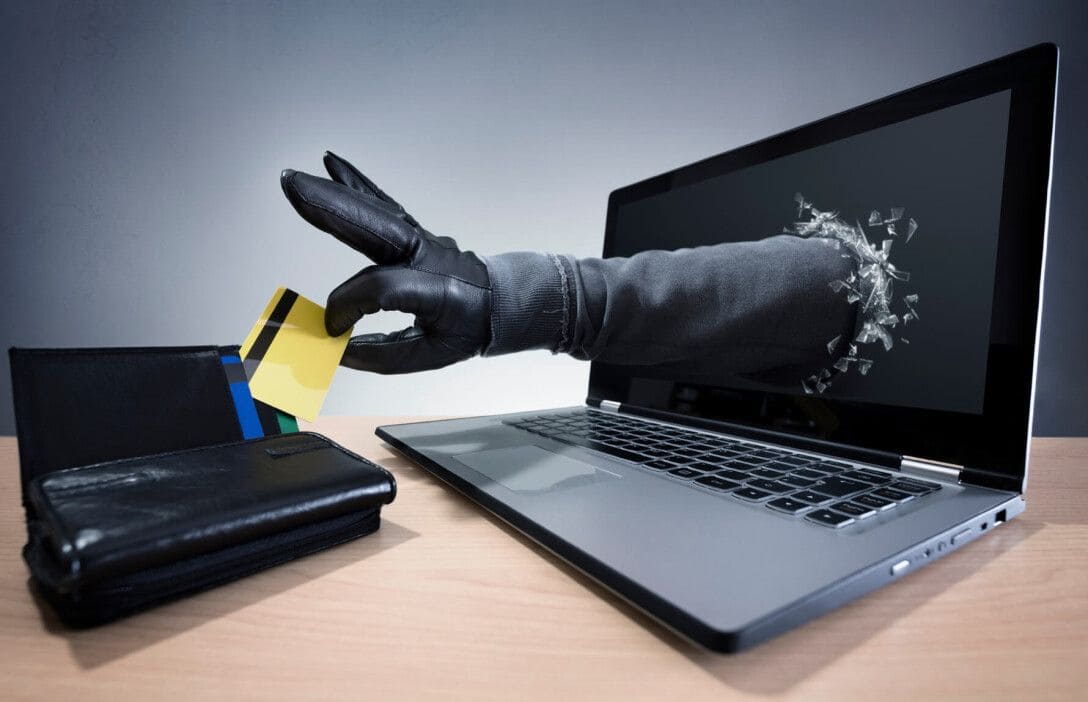
Discovering that you've been a victim of online fraud can be overwhelming. The actions you take in the first hours and days are critical for protecting your position, preserving evidence, and maximizing recovery prospects. This guide outlines immediate steps to protect yourself and your case.
Immediate Actions (First 24 Hours)
1. Secure Your Accounts
Lock compromised accounts immediately:
- Change passwords for all affected accounts
- Enable two-factor authentication where available
- Contact financial institutions to freeze or restrict accounts
- Review account activity for unauthorized transactions
- Set up fraud alerts with credit bureaus if applicable
2. Stop All Communication with the Fraudster
- Do not respond to further requests or demands
- Do not send additional funds, even if promised returns
- Block phone numbers, email addresses, and social media accounts
- Preserve all existing communications (do not delete anything)
3. Document Everything Immediately
Time-sensitive evidence may disappear. Capture:
- Screenshots of all account dashboards and balances
- All email communications and messages
- Website URLs and platform information
- Transaction records and confirmations
- Any terms of service or agreements
Capturing Communications
Email and Messaging
- Save all emails: Forward important emails to a secure backup account
- Screenshot messages: Capture chat logs, including timestamps
- Export conversations: Use platform export features when available
- Document phone calls: Note dates, times, phone numbers, and conversation summaries
Platform Communications
- Save all in-platform messages and notifications
- Document support ticket numbers and responses
- Capture any error messages or withdrawal rejections
- Record all fees charged and reasons provided
Verifying Transaction Records
Bank and Payment Records
- Download bank statements showing all transactions
- Obtain payment processor receipts (PayPal, Stripe, etc.)
- Document wire transfer confirmations and reference numbers
- Save credit card statements showing charges
Cryptocurrency Transactions
- Record all wallet addresses used (yours and the platform's)
- Save blockchain transaction IDs (TXIDs) for all transfers
- Use blockchain explorers to verify transaction details
- Document exchange records if funds passed through exchanges
Avoiding Common Missteps
What NOT to Do
- Don't pay additional fees: Scammers often demand more money to "release" funds
- Don't delete evidence: Preserve all communications and records
- Don't confront aggressively: This may cause scammers to disappear or delete accounts
- Don't delay reporting: Time is critical for recovery efforts
- Don't use recovery scams: Be wary of services promising guaranteed recovery for upfront fees
Common Mistakes to Avoid
- Waiting too long before taking action
- Not documenting evidence comprehensively
- Sharing case details publicly before consulting professionals
- Attempting to negotiate directly with fraudsters
- Ignoring legal and regulatory reporting requirements
Reporting to Authorities
Law Enforcement
- Local police: File a report with your local police department
- RCMP: Report to the Royal Canadian Mounted Police if applicable
- Cybercrime units: Contact specialized cybercrime divisions
- Obtain case numbers: Keep records of all police report numbers
Financial Regulators
- Canadian Anti-Fraud Centre (CAFC): Report online fraud incidents
- Provincial securities regulators: If investment fraud is involved
- Financial institutions: Report to your bank's fraud department
- Payment processors: Report fraudulent transactions to PayPal, credit card companies, etc.
Protecting Your Position
Legal Considerations
- Understand statute of limitations in your jurisdiction
- Preserve evidence in a legally admissible format
- Consider consulting with a fraud recovery specialist
- Document all actions taken and their timing
Financial Protection
- Monitor all accounts for additional unauthorized activity
- Review credit reports for identity theft indicators
- Consider credit freezes if personal information was compromised
- Document all financial losses accurately
Next Steps: Seeking Professional Assistance
When to Consult a Recovery Specialist
Consider professional assistance if:
- Losses exceed CAD 3,000
- Case involves complex jurisdictional issues
- Multiple payment methods or platforms were involved
- You need help navigating formal recovery channels
- Evidence preservation requires professional expertise
What to Bring to a Consultation
- All documentation collected (communications, transactions, records)
- Police report numbers and dates
- Timeline of events
- List of all involved parties and platforms
- Questions about your specific situation
Timeline: Critical Actions Checklist
Within 24 Hours
- ✓ Secure all accounts
- ✓ Document all evidence
- ✓ Stop communication with fraudster
- ✓ Contact financial institutions
Within 48 Hours
- ✓ File police report
- ✓ Report to relevant authorities
- ✓ Organize all documentation
- ✓ Review account activity
Within One Week
- ✓ Consult with recovery specialist
- ✓ Complete comprehensive documentation
- ✓ Understand recovery options
- ✓ Begin formal recovery process if applicable
Conclusion
Immediate action after discovering online fraud is essential. By securing accounts, preserving evidence, and avoiding common missteps, you protect your position and improve recovery prospects. Remember: time is critical, documentation is key, and professional guidance can help navigate complex recovery processes.
Need immediate assistance with a fraud case?
Get Free Consultation